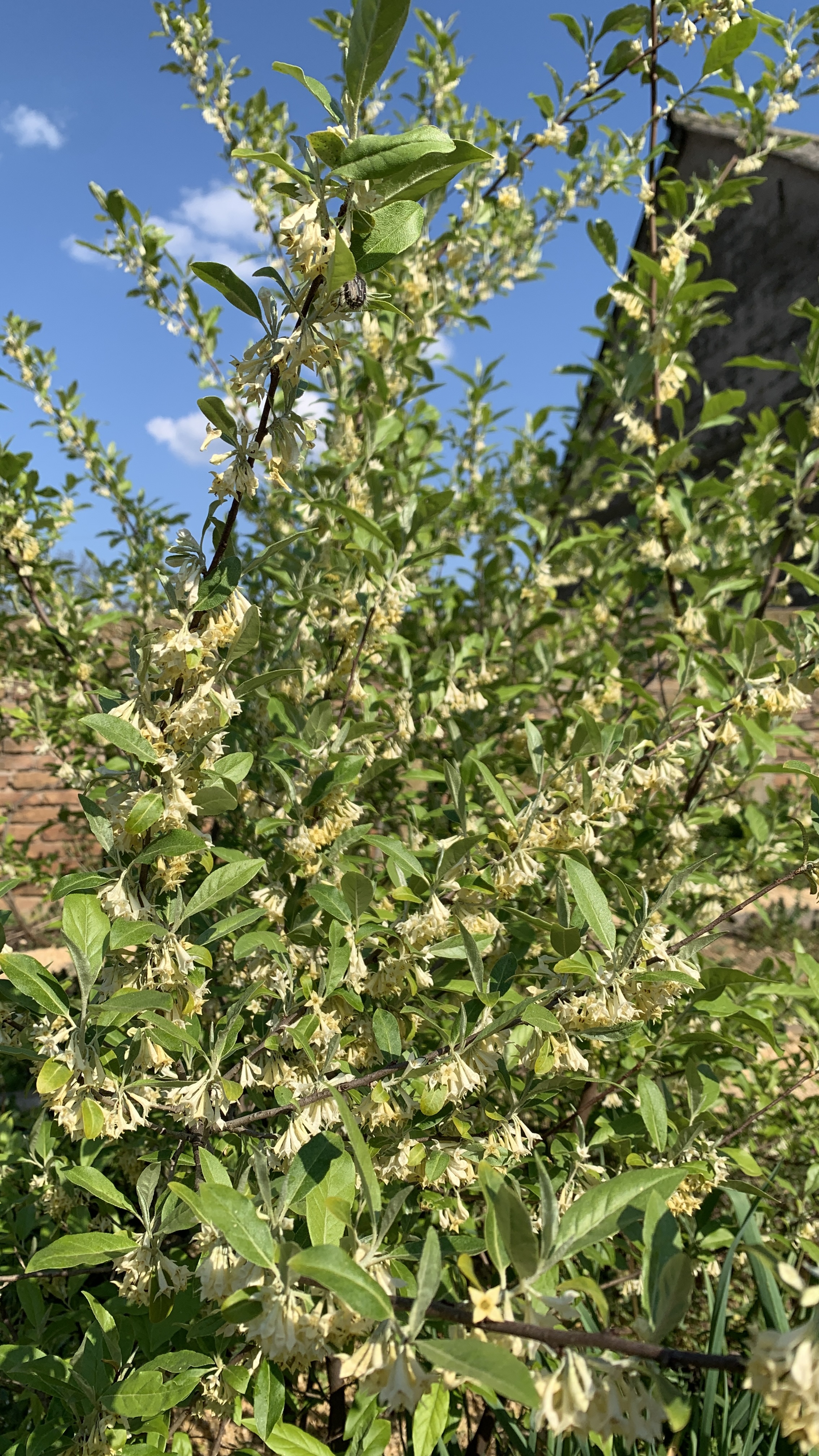
The goumi plant is a perennial shrub that can grow up to 3m tall. It has small, round, dark green leaves and white flowers that bloom in the summer. The goumi fruit is red, oval-shaped, and about the size of a cherry. The fruit is edible and can be eaten fresh or made into jam. The goumi plant is native to Asia and has been introduced to North America, Europe, and Australia. It is commonly grown as an ornamental plant, but it can also be used for erosion control and as a nitrogen-fixing plant.
Growing Details
The goumi plant is easy to grow and is tolerant of a wide range of growing conditions. It prefers full sun but will tolerate partial shade. The plant is drought-tolerant and can grow in poor, sandy soils. It is not particular about soil pH and will even grow in alkaline soils. Goumi plants are self-fertile and do not require cross-pollination in order to produce fruit. The plant can be propagated from seed, cuttings, or layering. Seeds should be stratified for 60 days before planting. Cuttings should be taken from new growth in the spring. Layering can be done by bending a low-growing branch to the ground and covering it with soil. The branch will then form roots and can be severed from the parent plant and transplanted to a new location.
The map shows known occurrence points of <strong>Elaeagnus multiflora</strong> recorded in scientific biodiversity databases.
Source: <a href="https://www.gbif.org" target="_blank">GBIF.org</a> — Global Biodiversity Information Facility
Location & Timing
native geo location: East Asia
applicable geo region: Temperate zones
language used: english
Flowering:
beginning
of April for 30 days
Harvest:
middle
of Jun for 30 days
Seed Start:
beginning
of July
Indoor Start:
Transplant:
Uses & Benefits
Edible Rating:
(3/5)
edible uses: The fruit of the goumi plant can be eaten fresh or made into jam. The leaves can be brewed into a tea.
Medicinal Rating:
(2/5)
medicinal uses:
health concerns: The goumi plant is considered to be safe for human consumption. However, the plant is poisonous to animals, so care should be taken to keep pets and livestock away from it.
other uses: The goumi plant can be used for erosion control and as a nitrogen-fixing plant.
Scientific Literature
Loading scientific articles about <strong>Elaeagnus multiflora</strong>...
Botanical data
specie: Elaeagnus multiflora
common names: goumi, Cherry silverberry
family: Elaeagnaceae
sub family: Elaeagnaceae
tribe:
sub tribe:
genus: Elaeagnus
Growing Conditions
area needed: 10.0 m
spacing: 3.0 m
grow time (non perennials): None days
growing difficulty: Medium
Deciduous / Evergreen: Evergreen
Seed Temp (Opt/Min/Max): 25°C / -10°C / 35°C
Plant Temp (Opt/Min/Max): 25°C / -10°C / 35°C
water demands: Low
humidity:
light demands: Medium
root type: Medium
frost tender: Low
hardness:█████▁▁▁▁▁(5/10)
first harvest: 2 years
life span: None years
succession: Pioneer
growth rate:
max height: None m
max width: None m
soil preference:
pH preference:
flower type:
Hermaphrodite
growth details: The goumi plant is easy to grow and is tolerant of a wide range of growing conditions. It prefers full sun but will tolerate partial shade. The plant is drought-tolerant and can grow in poor, sandy soils. It is not particular about soil pH and will even grow in alkaline soils. Goumi plants are self-fertile and do not require cross-pollination in order to produce fruit. The plant can be propagated from seed, cuttings, or layering. Seeds should be stratified for 60 days before planting. Cuttings should be taken from new growth in the spring. Layering can be done by bending a low-growing branch to the ground and covering it with soil. The branch will then form roots and can be severed from the parent plant and transplanted to a new location.
Potential Disturbances: Goumi plants are susceptible to pressures from aphids, scale insects, whiteflies, and fungal diseases like powdery mildew and leaf spot.
Growth Timeline
Recipes Using This Plant
Animals Interacting With This Plant
Permanent Link
Scan this QR code for a permanent link to this plant:

Loading comments...