Salvia sclarea is a plant that is good for attracting wildlife. It is also bee friendly and can be used to make tea. It is a perennial plant that is easy to propagate. It can grow in full sun or partial shade and prefers well-drained soil. It is not drought tolerant and should be watered regularly. It is not tolerant of frost and should be protected from cold weather. It can be harvested the first year after planting. The plant can reach a height of up to 2m. The flowers are white or pale pink and bloom in summer. The plant is not known to be invasive.
Growing Details
Salvia sclarea is a plant that is easy to grow. It can be planted in full sun or partial shade. The plant prefers well-drained soil and should be watered regularly. It is not drought tolerant. The plant is not tolerant of frost and should be protected from cold weather. It can be harvested the first year after planting. The plant can reach a height of up to 2m. The flowers are white or pale pink and bloom in summer. The plant is not known to be invasive.
The map shows known occurrence points of <strong>Salvia sclarea</strong> recorded in scientific biodiversity databases.
Source: <a href="https://www.gbif.org" target="_blank">GBIF.org</a> — Global Biodiversity Information Facility
Location & Timing
native geo location: Mediterranean
applicable geo region: Temperate zones
language used: english
Flowering:
beginning
of August for 45 days
Harvest:
beginning
of July for 30 days
Seed Start:
beginning
of September
Indoor Start:
Transplant:
Uses & Benefits
Edible Rating:
(2/5)
edible uses: The leaves can be used to make tea. The flowers can be used to make a herbal infusion. The oil from the seeds can be used in cosmetics and perfumes.
Medicinal Rating:
(2/5)
medicinal uses: The plant is said to have astringent, diaphoretic, emmenagogue, expectorant, and stimulant properties. It has been used to treat colds, flu, and headaches. It is also said to be useful for digestive disorders and menstrual cramps. The oil from the plant is said to be useful for treating anxiety and depression.
health concerns: None known
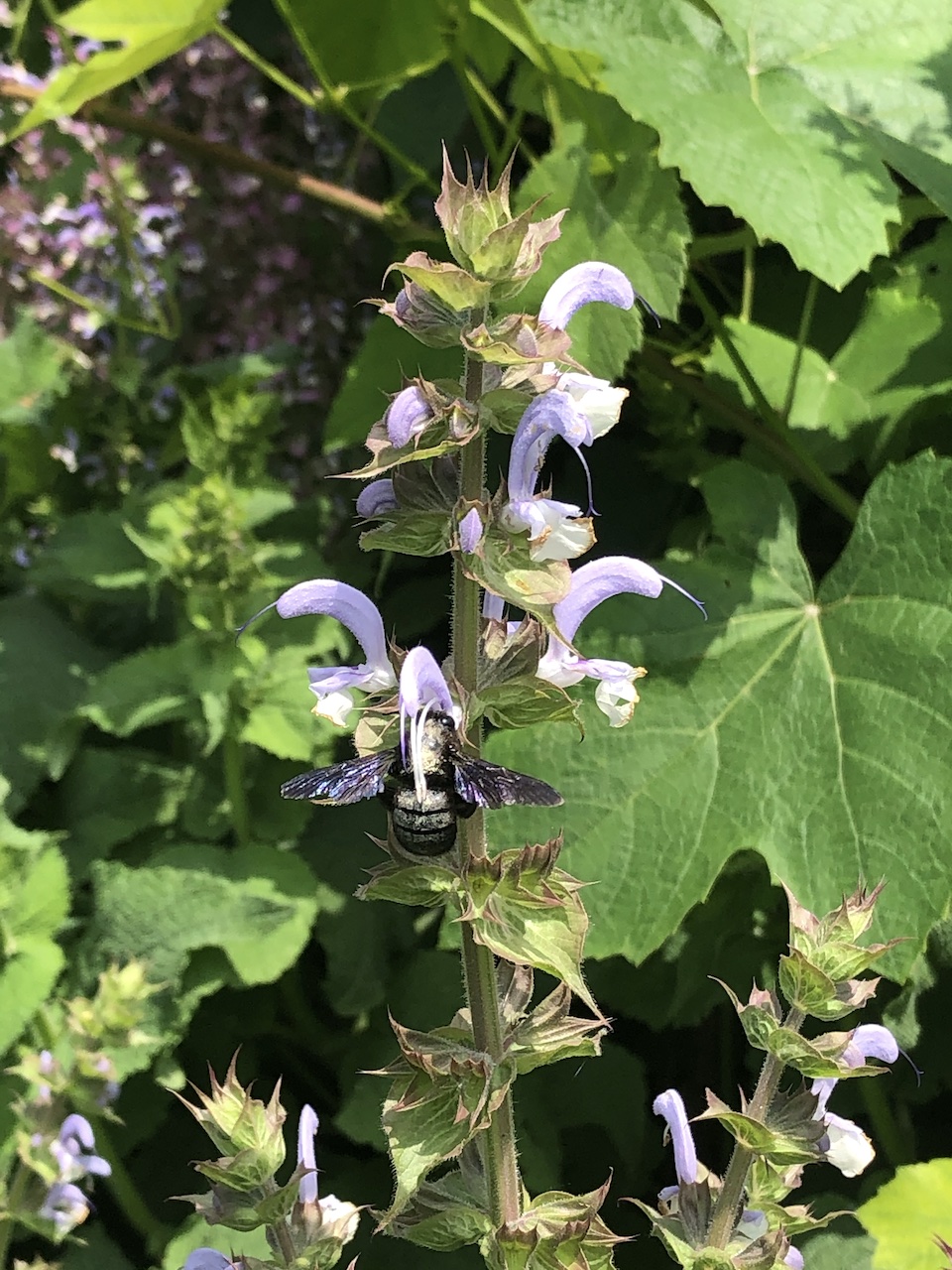
other uses: The plant can be used as a hedge. The leaves can be used to make a herbal infusion. The oil from the plant is used in cosmetics and perfumes. Extremely loved by bees, especially by violet carpenter bee Xylocopa violacea.
Scientific Literature
Loading scientific articles about <strong>Salvia sclarea</strong>...
Botanical data
specie: Salvia sclarea
common names: Clary, Europe sage, Clary Sage, Muskatna žalfija
family: Lamiaceae
sub family: Nepetoideae
tribe: Cladea
sub tribe: Scutellariae
genus: Salvia
Growing Conditions
area needed: 10.0 m
spacing: 1.0 m
growing difficulty: Low
Deciduous / Evergreen: Deciduous
Seed Temp (Opt/Min/Max): 20°C / 5°C / 35°C
Plant Temp (Opt/Min/Max): 25°C / -10°C / 35°C
water demands: Low
humidity:
light demands: Medium
root type: Shallow
frost tender:
hardness:█████▁▁▁▁▁(5/10)
first harvest: 1 years
life span: None years
succession:
growth rate:
max height: 2.0 m
max width: 0.6 m
soil preference:
pH preference:
flower type:
Hermaphrodite
growth details: Salvia sclarea is a plant that is easy to grow. It can be planted in full sun or partial shade. The plant prefers well-drained soil and should be watered regularly. It is not drought tolerant. The plant is not tolerant of frost and should be protected from cold weather. It can be harvested the first year after planting. The plant can reach a height of up to 2m. The flowers are white or pale pink and bloom in summer. The plant is not known to be invasive.
Potential Disturbances: Salvia sclarea is subject to pressures from aphids, whiteflies, and spider mites.
Growth Timeline
Recipes Using This Plant
Animals Interacting With This Plant
Permanent Link
Scan this QR code for a permanent link to this plant:

Loading comments...