Jasmine
Jasminum spp.
Plant Images
OneSeed Image
Description
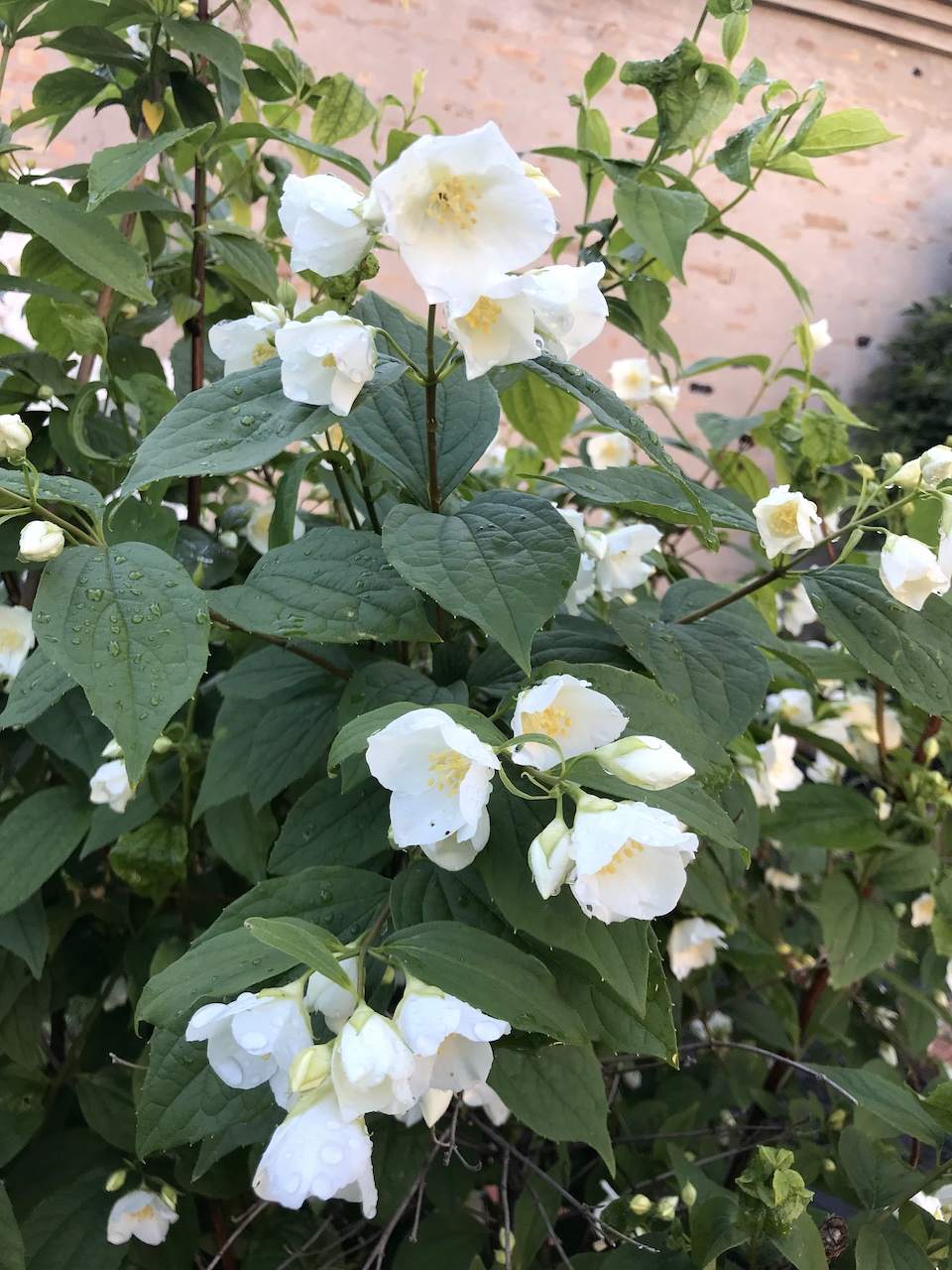
Jasmine (Jasminum spp.) is a genus of shrubs and vines in the olive family. It contains around 200 species native to tropical and warm temperate regions of Eurasia, Australasia and Oceania. Jasmines are widely cultivated for the characteristic fragrance of their flowers. A number of unrelated plants contain the word "Jasmine" in their common names (see below). Jasmine can be either deciduous (leaves falling in autumn) or evergreen (green all year round), and can be erect, spreading, or climbing shrubs and vines. Their leaves are borne, opposite or alternate. They can be simple, trifoliate, or pinnate. The flowers are typically around 2.5 cm in diameter and are white or yellow; in rarer instances, they are red. The flowers are borne in clusters with a minimum of three flowers, though they can also be solitary on the ends of branchlets. Each flower has about four to nine petals, two locules, and one to four ovules. They have two stamens with very short filaments. The bracts are linear or ovate. The calyx is tubular, with rounded lobes and two locules. Jasmine is a source of essential oil that is used in the production of perfumes and cosmetics. The word "jasmine" is derived from the Persian word "yasamin", meaning "gift from God", or "jasmine flower".
Growing Details
Jasmine is a fast-growing plant that can reach a height of 3 m in just a few years. It can be grown as a shrub or vine and can be trained to climb a trellis or fence. Jasmine prefers full sun but will tolerate partial shade. It is tolerant of a wide range of soils but prefers well-drained, sandy soil. Jasmine is drought-tolerant once established but will produce more flowers if given regular watering. It should be fertilized monthly during the growing season.
Tags
Carbon Farming
Attracts Wildlife
Scented Plant
Erosion Preventing
Bee Friendly
Visual Appeal
Range (Based on GBIF Data)
The map shows known occurrence points of <strong>Jasminum spp.</strong> recorded in scientific biodiversity databases.
Source: <a href="https://www.gbif.org" target="_blank">GBIF.org</a> — Global Biodiversity Information Facility
Location & Timing
native geo location: Himalayas, China
applicable geo region: Tropical, Subtropical zones
language used: english
Flowering:
beginning
of April for 90 days
Harvest:
beginning
of Jun for 60 days
Seed Start:
?
Indoor Start:
Transplant:
Uses & Benefits
Edible Rating:
(3/5)
edible uses: Jasmine flowers are used to make jasmine tea, which often has a base of green tea or white tea. The flowers are also used to make jasmine oil, which is used in aromatherapy and as a fragrance component in cosmetics, soaps and perfumes. Jasmine rice is a type of rice that is flavored with jasmine oil. The flowers can also be used to make jasmine vinegar.
Medicinal Rating:
(3/5)
medicinal uses: Jasmine tea made with fresh jasmine flowers is thought to have numerous health benefits, including reducing anxiety, improving digestion, and boosting the immune system. Jasmine oil is also used in traditional medicine to treat a variety of conditions, including headaches, colds, and stomach problems. However, there is little scientific evidence to support these uses.
health concerns: Jasmine tea made with fresh jasmine flowers is generally safe to consume. However, jasmine tea made with dried jasmine flowers may contain harmful toxins. Jasmine oil is also generally safe to use, but it can cause skin irritation in some people. It should be used in moderation.
other uses: Jasmine oil is used in aromatherapy and as a fragrance component in cosmetics, soaps and perfumes. Jasmine rice is a type of rice that is flavored with jasmine oil. The flowers can also be used to make jasmine vinegar.
Scientific Literature
Loading scientific articles about <strong>Jasminum spp.</strong>...
Botanical data
specie: Jasminum spp.
common names:
family: Oleaceae
sub family: Jasmonoideae
tribe: Jasmineae
sub tribe: Jasmineae
genus: Jasminum
Growing Conditions
area needed: 3.0 m
spacing: 0.5 m
growing difficulty: Low
Deciduous / Evergreen: Evergreen
Seed Temp (Opt/Min/Max): 25°C / 5°C / 35°C
Plant Temp (Opt/Min/Max): 25°C / 5°C / 35°C
water demands: Medium
humidity:
light demands: Medium
root type: Shallow
frost tender:
hardness:
█
█
█
█
█
▁
▁
▁
▁
▁
(5/10)
first harvest: 2 years
life span: None years
succession:
growth rate:
max height: None m
max width: None m
soil preference:
pH preference:
flower type:
growth details: Jasmine is a fast-growing plant that can reach a height of 3 m in just a few years. It can be grown as a shrub or vine and can be trained to climb a trellis or fence. Jasmine prefers full sun but will tolerate partial shade. It is tolerant of a wide range of soils but prefers well-drained, sandy soil. Jasmine is drought-tolerant once established but will produce more flowers if given regular watering. It should be fertilized monthly during the growing season.
Potential Disturbances: Jasmine is susceptible to pressures from whiteflies, spider mites, scale, and mealybugs. Aphids can also be a challenge, especially in cool weather. Whiteflies and spider mites are particularly difficult to manage due to their rapid reproduction.
Permanent Link
Scan this QR code for a permanent link to this plant:
 Download QR Code

Loading comments...