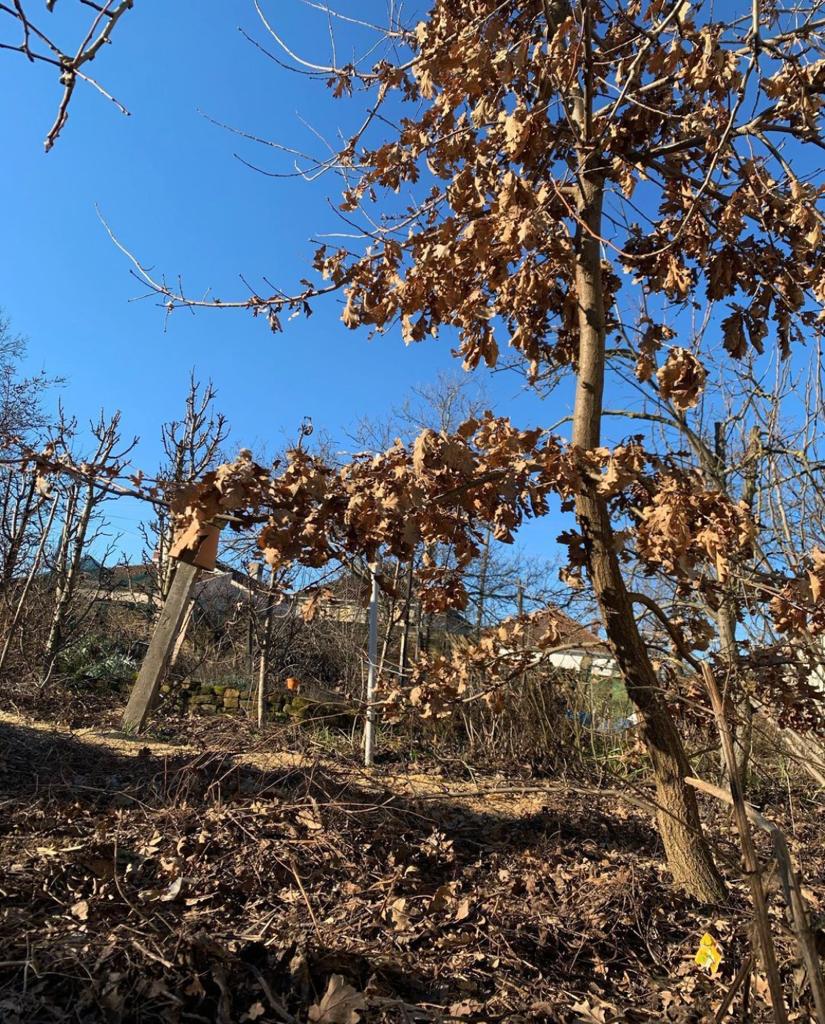
Teško ćete pronaći tekst u kome se pominju autohtone vrste našeg podneblja, bez hrasta. Širi region na kome mi živimo, geografski dominantno je okarakterisan planinom Fruškom Gorom, a šume su zbog urbanizacije i poljoprivrede svedene samo na nepristupačnije delove same planine. Nekada ne biste morali daleko da šetate da biste videli hrast, a danas su posebno retki stariji primerci. S obzirom na to da je hrast u stanju da dugačkim životom isprati više ljudskih generacija, legende vezane za ovo drvo prirodno su duboko utkane u tradiciju različitih kultura, a na hrastovim drvenim konstrukcijama je izgrađena današnja Evropa. U našem širem okruženju 10ak vrsta su autohtone. Žir čini stub ishrane velikog broja bića, različiti insekti se hrane njegovim listom, postoji nepregledna lista gljiva vezanih za hrast, dok je bogati malč formiran od lišća hrasta dom za različite organizme i specifičan filter vode. Ovo su samo neke od osobina koje ga čine ključnim za ekosistem, kao "keystone specie" i ne postoji niti jedno drvo koje možete posaditi, a da više doprinesete ekosistemu. Kako se prvih godina fokusira na formiranje korenovog sistema, tek sa po kojim listom i granom, najbolje je uzgojiti ga iz žira, na lokaciji na kojoj će imati dovoljno mesta da raste i razvija se, stvarajući hlad za vaše čukununučiće.
Growing Details
text
Edible Parts
Fruit
Tags
Keystone Specie Hedge Carbon Farming Attracts Wildlife Fire Wood Building Wood Windbreak Erosion Preventing
Range (Based on GBIF Data)
The map shows known occurrence points of <strong>Quercus robur</strong> recorded in scientific biodiversity databases.
Source: <a href="https://www.gbif.org" target="_blank">GBIF.org</a> — Global Biodiversity Information Facility
Location & Timing
native geo location: Europe, W. Asia
applicable geo region: Temperate zones
language used: srpski
Flowering:
beginning
of Jun for 30 days
Harvest:
beginning
of October for 30 days
Seed Start:
middle
of October
Indoor Start:
Transplant:
Uses & Benefits
Edible Rating:
(5/5)
edible uses:
Medicinal Rating:
(5/5)
medicinal uses:
health concerns:
other uses:
Scientific Literature
Loading scientific articles about <strong>Quercus robur</strong>...
Botanical data
specie: Quercus robur
common names: hrast, dub, english oak
family: Fagaceae
sub family:
tribe:
sub tribe:
genus:
Growing Conditions
area needed: 10.0 m
spacing: 5.0 m
growing difficulty: Low
Deciduous / Evergreen: Evergreen
Seed Temp (Opt/Min/Max): 20°C / 16°C / 24°C
Plant Temp (Opt/Min/Max): 25°C / -15°C / 35°C
water demands: Medium
humidity: Medium
light demands: High
root type: Deep
frost tender: High
hardness:████▁▁▁▁▁▁(4/10)
first harvest: 20 years
life span: 500 years
succession: Late
growth rate: Slow
max height: 12.0 m
max width: 20.0 m
soil preference:
Medium (Loam)
pH preference:
flower type:
growth details: text
Potential Disturbances: Due to lack of knowledge and understanding, many trees are cut down during Christmas. It's acceptable to cut a branch but not the entire oak tree.
Growth Timeline
Recipes Using This Plant
Animals Interacting With This Plant
Permanent Link
Scan this QR code for a permanent link to this plant:

Loading comments...