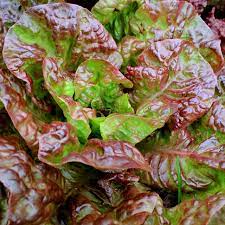
Glavata salata QUATTRO STAGIONI, a variety of Lactuca sativa, is a versatile lettuce known for its ability to thrive in various seasons, hence the name 'Four Seasons'. It plays a role in the herbaceous layer of a food forest, providing ground cover and contributing to soil health through its root system. This lettuce is ideal for agroecological systems due to its adaptability and ease of cultivation. It pairs well with carrots, radishes, and onions in companion planting, which can help deter pests and improve growth. Historically, lettuce has been cultivated for its refreshing leaves, which are rich in vitamins A and K.
Growing Details
Prepare soil by incorporating well-rotted compost to improve fertility and drainage. Mulch around plants to retain moisture and suppress weeds. Companion plants such as carrots, radishes, and onions can enhance growth and deter pests. Avoid planting near brassicas, which can compete for nutrients. Harvest leaves when they are young and tender for the best flavor. Store harvested leaves in a cool, humid environment to maintain freshness.
The map shows known occurrence points of <strong>Lactuca sativa</strong> recorded in scientific biodiversity databases.
Source: <a href="https://www.gbif.org" target="_blank">GBIF.org</a> — Global Biodiversity Information Facility
Location & Timing
native geo location: Mediterranean
applicable geo region: Temperate zones
language used: sr
Flowering:
?
Harvest:
middle
of May for 30 days
Seed Start:
middle
of September
Indoor Start:
middle
of August
Transplant:
Uses & Benefits
Edible Rating:
(5/5)
edible uses: The leaves of Glavata salata QUATTRO STAGIONI are edible and can be consumed raw in salads or sandwiches. They are best harvested in the morning when they are crisp and full of moisture. The leaves are a good source of vitamins A, C, and K, and provide dietary fiber.
Medicinal Rating:
(2/5)
medicinal uses: Lettuce has been traditionally used for its mild sedative properties. The leaves can be used in infusions to promote relaxation and aid sleep. However, it should be consumed in moderation as excessive intake may lead to digestive discomfort.
health concerns: Consuming large quantities of lettuce may lead to digestive issues due to its high fiber content. It is advisable to wash leaves thoroughly to remove any soil or potential contaminants.
other uses:
Scientific Literature
Loading scientific articles about <strong>Lactuca sativa</strong>...
Botanical data
specie: Lactuca sativa
common names: Salata
family: Asteraceae
sub family:
tribe:
sub tribe:
genus: Lactuca
Growing Conditions
area needed: 0.15 m
spacing: 0.3 m
grow time (non perennials): 70 days
growing difficulty: Low
Deciduous / Evergreen: Deciduous
Seed Temp (Opt/Min/Max): 18°C / 10°C / 24°C
Plant Temp (Opt/Min/Max): 15°C / 5°C / 25°C
water demands: Medium
humidity: High
light demands: Medium
root type: Shallow
frost tender: Low
hardness:▁▁▁▁▁▁▁▁▁▁(0/10)
first harvest: 70 years
life span: 0 years
succession: Pioneer
growth rate: Fast
max height: 0.3 m
max width: 0.3 m
soil preference:
Medium (Loam)
pH preference:
Saline
flower type:
growth details: Prepare soil by incorporating well-rotted compost to improve fertility and drainage. Mulch around plants to retain moisture and suppress weeds. Companion plants such as carrots, radishes, and onions can enhance growth and deter pests. Avoid planting near brassicas, which can compete for nutrients. Harvest leaves when they are young and tender for the best flavor. Store harvested leaves in a cool, humid environment to maintain freshness.
Potential Disturbances: Common pests include aphids and slugs. Introduce beneficial insects like ladybugs and lacewings to control aphid populations. Use copper barriers or diatomaceous earth to deter slugs. Planting marigolds nearby can help repel nematodes and other pests. Neem oil can be used as an organic spray for pest control.
Growth Timeline
Recipes Using This Plant
Animals Interacting With This Plant
Permanent Link
Scan this QR code for a permanent link to this plant:

Loading comments...