Gavez
Symphytum officinale
Plant Images
OneSeed Image
Description
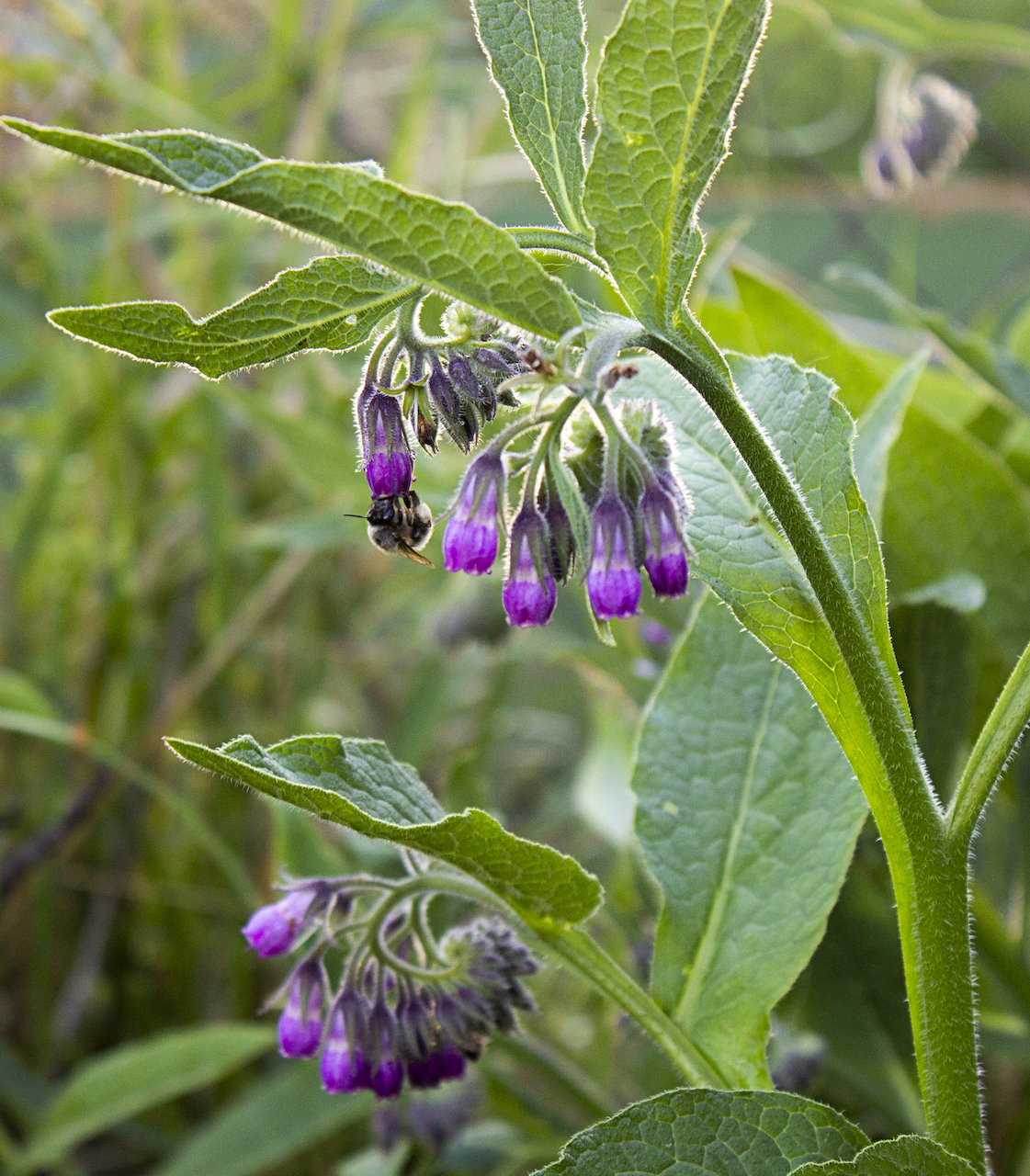
Gavez (Symphytum officinale), commonly known as comfrey, is a perennial herb native to Europe and parts of Asia. It plays a vital role in regenerative agriculture as a dynamic accumulator, drawing nutrients from deep within the soil and making them available to other plants. Comfrey is often used in food forests as a ground cover and nutrient booster. Its deep roots help prevent soil erosion and improve soil structure. Historically, comfrey has been used for its medicinal properties, particularly in healing wounds and bone fractures, due to its high allantoin content. In agroecology, comfrey is valued for its ability to attract pollinators and beneficial insects, making it an excellent companion plant for crops like potatoes and tomatoes.
Growing Details
Comfrey thrives in well-drained, fertile soil with a pH of 6.0-7.0. Prepare the soil by adding organic matter such as compost or well-rotted manure. Mulch around the base to retain moisture and suppress weeds. Plant comfrey in full sun to partial shade. Companion plants include fruit trees, potatoes, and tomatoes. Avoid planting in waterlogged areas to prevent root rot. Harvest leaves when they are young and tender, ideally before flowering. Store dried leaves in a cool, dark place for later use
Tags
Hedge
Carbon Farming
Attracts Wildlife
Sacrificial Plant
Erosion Preventing
Bee Friendly
Meadow
Visual Appeal
Easy Propagating
Tea
Range (Based on GBIF Data)
The map shows known occurrence points of <strong>Symphytum officinale</strong> recorded in scientific biodiversity databases.
Source: <a href="https://www.gbif.org" target="_blank">GBIF.org</a> — Global Biodiversity Information Facility
Location & Timing
native geo location: Europe, Asia
applicable geo region: Temperate zones
language used: sr
Flowering:
beginning
of May for 60 days
Harvest:
beginning
of July for 60 days
Seed Start:
?
Indoor Start:
Transplant:
Uses & Benefits
Edible Rating:
(2/5)
edible uses: Comfrey leaves can be used sparingly as a cooked green, but due to the presence of pyrrolizidine alkaloids, they should not be consumed in large quantities. Young leaves are less bitter and can be added to salads in moderation. Comfrey is rich in vitamins A and C, as well as minerals like potassium and calcium. It is more commonly used as a compost activator or mulch rather than a food source.
Medicinal Rating:
(4/5)
medicinal uses: Comfrey has a long history of use in traditional medicine for treating bruises, sprains, and bone fractures. It is applied externally as a poultice or ointment to promote healing and reduce inflammation. The roots and leaves contain allantoin, which stimulates cell growth. However, due to the presence of pyrrolizidine alkaloids, internal use is not recommended without professional guidance.
health concerns: Comfrey contains pyrrolizidine alkaloids, which can cause liver damage if ingested in large quantities. It is advised to use comfrey externally and avoid internal consumption, especially for pregnant or nursing women and children under 12. Always consult a healthcare professional before using comfrey medicinally.
other uses: Comfrey is an excellent green manure and compost activator. It can be used as a nutrient-rich mulch or brewed into a liquid fertilizer. Its deep roots mine nutrients from the subsoil, making them available to other plants. Comfrey is also used as a companion plant to deter pests and attract beneficial insects.
Scientific Literature
Loading scientific articles about <strong>Symphytum officinale</strong>...
Botanical data
specie: Symphytum officinale
common names: comfrey, knitbone, bruisewort, boneset
family: Boraginaceae
sub family:
tribe:
sub tribe:
genus: Symphytum
Growing Conditions
area needed: 1.0 m
spacing: 0.5 m
growing difficulty: Low
Deciduous / Evergreen: Evergreen
Seed Temp (Opt/Min/Max): 20°C / 15°C / 25°C
Plant Temp (Opt/Min/Max): 25°C / -35°C / 35°C
water demands: Low
humidity:
light demands: Medium
root type: Deep
frost tender: Low
hardness:
█
█
█
▁
▁
▁
▁
▁
▁
▁
(3/10)
first harvest: 2 years
life span: 0 years
succession: Pioneer
growth rate: Fast
max height: 1.5 m
max width: 1.0 m
soil preference:
Medium (Loam)
pH preference:
Saline
flower type:
growth details: Comfrey thrives in well-drained, fertile soil with a pH of 6.0-7.0. Prepare the soil by adding organic matter such as compost or well-rotted manure. Mulch around the base to retain moisture and suppress weeds. Plant comfrey in full sun to partial shade. Companion plants include fruit trees, potatoes, and tomatoes. Avoid planting in waterlogged areas to prevent root rot. Harvest leaves when they are young and tender, ideally before flowering. Store dried leaves in a cool, dark place for later use
Potential Disturbances: Comfrey is generally pest-resistant but can suffer from root rot in poorly drained soils. To manage pests naturally, encourage beneficial insects like ladybugs and lacewings. Planting marigolds nearby can help deter nematodes. Use neem oil or garlic spray as an organic pest control method if necessary.
Permanent Link
Scan this QR code for a permanent link to this plant:
 Download QR Code

Loading comments...