Misjakinja
Stellaria media
Plant Images
OneSeed Image
Description
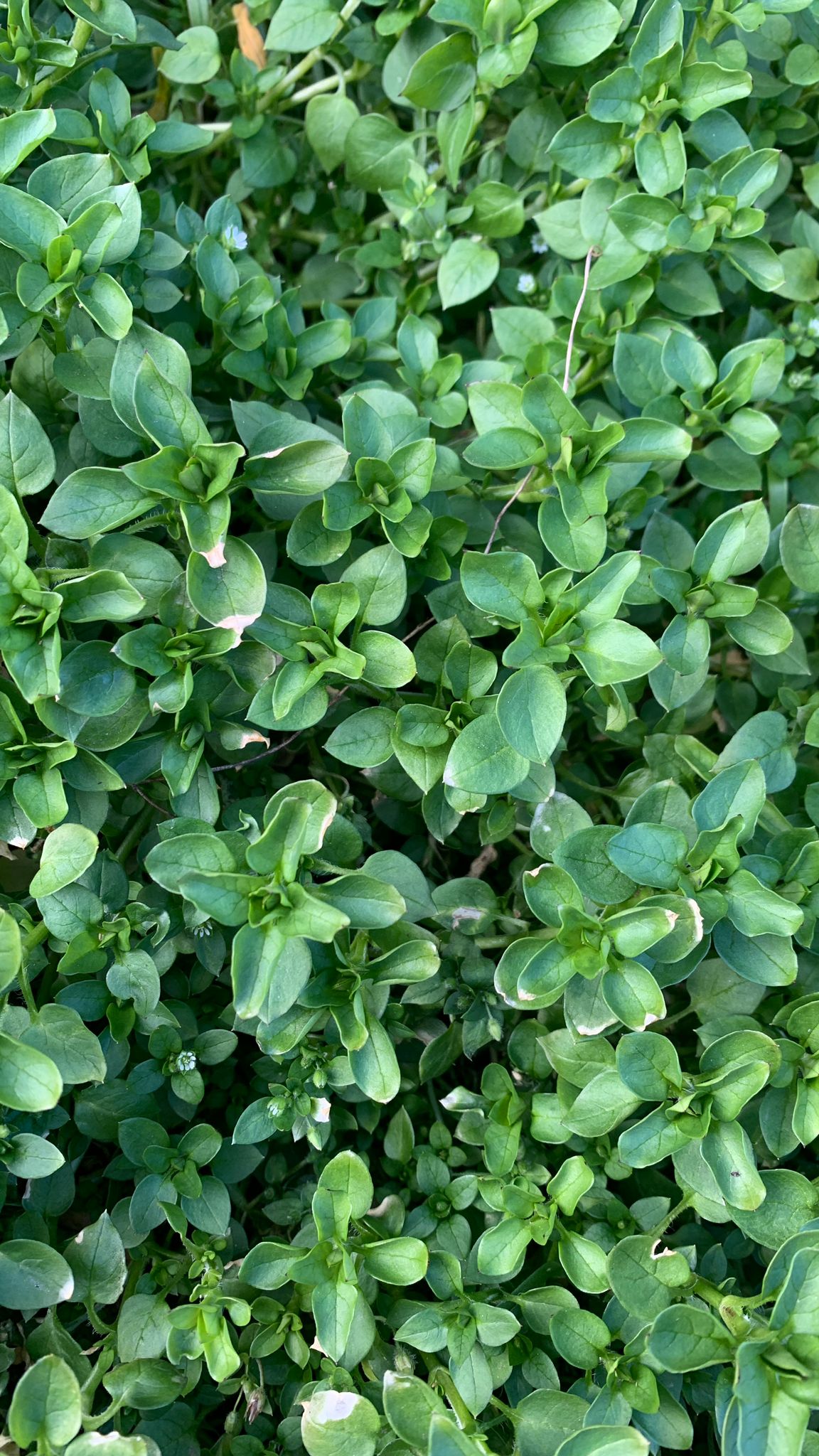
Misjakinja, or chickweed, is a common plant found in moist, shaded areas. It is characterized by small white flowers and is a member of the Caryophyllaceae family. In agroecology, chickweed serves as an excellent ground cover, preventing soil erosion and maintaining soil moisture. It is a pioneer species, often one of the first to colonize disturbed soils, thus playing a crucial role in ecosystem restoration. Chickweed is a valuable addition to a food forest as a ground layer plant, providing habitat and nectar for pollinators like bees. It is also a nutritious forage for chickens and other poultry, rich in proteins, vitamins A and C, and antioxidants. Historically, chickweed has been used in traditional medicine as a mild diuretic and for soothing skin conditions such as rashes and eczema. It can be consumed fresh in salads or cooked like spinach, offering a mild, sweet flavor.
Growing Details
Chickweed thrives in moist, shaded areas with well-drained soil. Prepare the soil by incorporating organic matter to improve fertility and drainage. Mulching around the plants helps retain moisture and suppress weeds. Companion plants like clover can enhance nitrogen availability. Avoid overwatering, as chickweed prefers moderate moisture levels. Harvest young leaves and stems regularly to encourage new growth. Store harvested chickweed in a cool, dry place and consume within a few days for opti
Tags
Attracts Wildlife
Erosion Preventing
Bee Friendly
Visual Appeal
Easy Propagating
High Protein
Winter Edible
Range (Based on GBIF Data)
The map shows known occurrence points of <strong>Stellaria media</strong> recorded in scientific biodiversity databases.
Source: <a href="https://www.gbif.org" target="_blank">GBIF.org</a> — Global Biodiversity Information Facility
Location & Timing
native geo location: Europe, Asia
applicable geo region: Worldwide
language used: sr
Flowering:
beginning
of March for 60 days
Harvest:
middle
of April for 30 days
Seed Start:
beginning
of March
Indoor Start:
Transplant:
Uses & Benefits
Edible Rating:
(4/5)
edible uses: The leaves and stems of chickweed can be eaten raw in salads or cooked as a leafy green. They have a mild, sweet flavor and are available throughout the growing season. Chickweed is high in vitamins A and C, making it a nutritious addition to the diet.
Medicinal Rating:
(4/5)
medicinal uses: Chickweed acts as a demulcent, diuretic, emollient, expectorant, laxative, and soothing agent. It is applied externally to treat wounds, burns, abscesses, and eczema. Internally, it is used for bronchitis, coughs, constipation, and diarrhea. It is important to ensure proper identification and moderation in use, as excessive consumption can lead to digestive upset.
health concerns: Chickweed is beneficial in gardens as a nectar source for bees and other pollinators. It serves as a ground cover, preventing erosion and providing green space. Chickweed is a good source of food for chickens and other poultry, with leaves and stems rich in proteins and vitamins A and C, as well as antioxidants. It can be used medicinally as a mild diuretic and for soothing skin conditions.
other uses: Chickweed can be used medicinally as a mild diuretic and for soothing skin conditions like rashes, eczema, and psoriasis. It can be eaten raw in salads or cooked like spinach, offering a mild, sweet flavor.
Scientific Literature
Loading scientific articles about <strong>Stellaria media</strong>...
Botanical data
specie: Stellaria media
common names: chickweed
family: Caryophyllaceae
sub family:
tribe:
sub tribe:
genus: Stellaria
Growing Conditions
area needed: 0.3 m
spacing: 0.1 m
growing difficulty: Low
Deciduous / Evergreen: Deciduous
Seed Temp (Opt/Min/Max): 15°C / 5°C / 24°C
Plant Temp (Opt/Min/Max): 15°C / 5°C / 24°C
water demands: Medium
humidity: Medium
light demands: Low
root type: Shallow
frost tender: Medium
hardness:
█
█
█
█
█
▁
▁
▁
▁
▁
(5/10)
first harvest: 0 years
life span: 0 years
succession: Pioneer
growth rate:
max height: 0.1 m
max width: 0.5 m
soil preference:
pH preference:
flower type:
growth details: Chickweed thrives in moist, shaded areas with well-drained soil. Prepare the soil by incorporating organic matter to improve fertility and drainage. Mulching around the plants helps retain moisture and suppress weeds. Companion plants like clover can enhance nitrogen availability. Avoid overwatering, as chickweed prefers moderate moisture levels. Harvest young leaves and stems regularly to encourage new growth. Store harvested chickweed in a cool, dry place and consume within a few days for opti
Potential Disturbances: Chickweed can be affected by aphids, caterpillars, slugs, and snails. Encourage beneficial insects like ladybugs and lacewings to control aphid populations. Planting garlic or chives nearby can help repel slugs and snails. Use organic sprays such as neem oil for caterpillar control. Handpicking and using row covers can also be effective strategies.
Permanent Link
Scan this QR code for a permanent link to this plant:
 Download QR Code

Loading comments...