alnus glutinosa
Alnus glutinosa
Plant Images
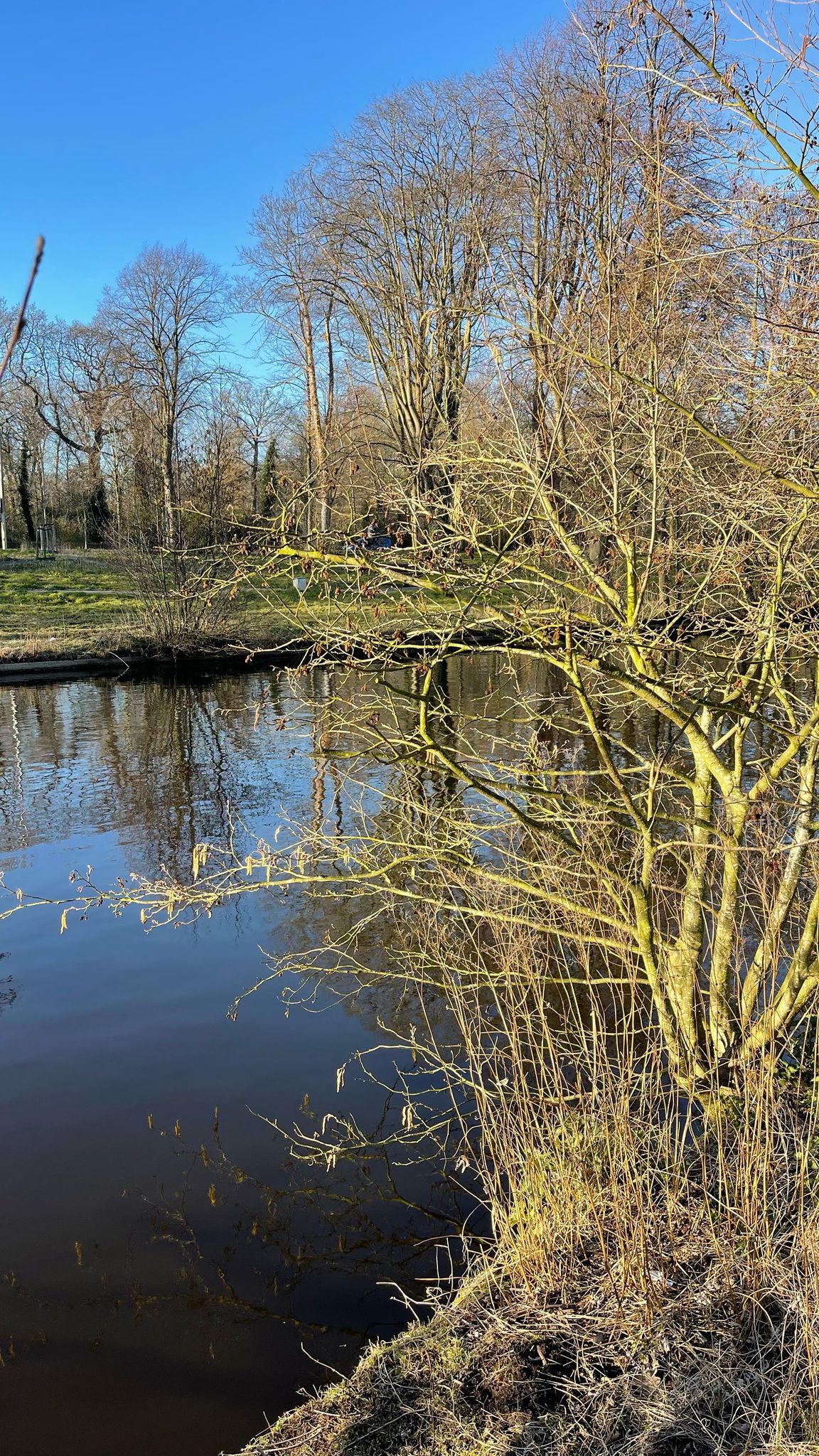
OneSeed Image
Description
Alnus glutinosa, commonly known as Black Alder, is a deciduous tree native to Europe, Western Asia, and North Africa. It plays a crucial role in agroecology as a nitrogen-fixing species, thanks to its symbiotic relationship with the bacterium Frankia alni. This makes it an excellent pioneer species for ecosystem restoration, particularly in waterlogged or poor soils. Black Alder is often used in riparian buffer zones to prevent erosion and improve water quality. It is a keystone species in wetland ecosystems, supporting a wide range of wildlife. Historically, its wood has been used for making furniture, flooring, and paper pulp. In a food forest, it serves as an overstory layer, providing shade and improving soil fertility for understory plants. Guild companions include willow (Salix spp.), elderberry (Sambucus nigra), and various wetland grasses.
Growing Details
Black Alder thrives in moist, well-drained soils and full sun to partial shade. It is tolerant of waterlogged conditions, making it ideal for wetland restoration. Prepare the soil by incorporating organic matter to improve drainage and fertility. Mulching around the base helps retain moisture and suppress weeds. Companion plants include willow and elderberry, which also thrive in similar conditions. Avoid planting in areas prone to drought. Harvesting is not applicable as it is not an edible spe
Tags
Nitrogen Fixing
Keystone Specie
Hedge
Carbon Farming
Attracts Wildlife
Fire Wood
Building Wood
Sacrificial Plant
Windbreak
Erosion Preventing
Bee Friendly
Meadow
Visual Appeal
Easy Propagating
Colouring
Range (Based on GBIF Data)
The map shows known occurrence points of <strong>Alnus glutinosa</strong> recorded in scientific biodiversity databases.
Source: <a href="https://www.gbif.org" target="_blank">GBIF.org</a> — Global Biodiversity Information Facility
Location & Timing
native geo location: Europe, W. Asia, N. Africa
applicable geo region: Temperate zones
language used: sr
Flowering:
end
of February for 30 days
Harvest:
beginning
of October for 30 days
Seed Start:
middle
of April
Indoor Start:
Transplant:
Uses & Benefits
Edible Rating:
(0/5)
edible uses:
Medicinal Rating:
(2/5)
medicinal uses: The bark of Alnus glutinosa has been traditionally used in folk medicine for its astringent properties. It can be prepared as a decoction to treat skin conditions and inflammation. However, it should be used with caution as it may cause irritation in some individuals.
health concerns: The bark contains tannins, which can be irritating if used excessively. It is advisable to consult with a healthcare professional before use.
other uses: Black Alder wood is valued in carpentry for its resistance to water, making it ideal for underwater constructions and furniture. It is also used for erosion control and as a windbreak. The tree's ability to fix nitrogen makes it beneficial for improving soil fertility in agroforestry systems.
Scientific Literature
Loading scientific articles about <strong>Alnus glutinosa</strong>...
Botanical data
specie: Alnus glutinosa
common names: Black Alder, European Alder
family: Betulaceae
sub family:
tribe: Betuleae
sub tribe:
genus: Alnus
Growing Conditions
area needed: 25.0 m
spacing: 5.0 m
growing difficulty: Low
Deciduous / Evergreen: Deciduous
Seed Temp (Opt/Min/Max): 25°C / 5°C / 30°C
Plant Temp (Opt/Min/Max): 20°C / -30°C / 35°C
water demands: High
humidity:
light demands: Medium
root type: Medium
frost tender:
hardness:
█
█
█
█
█
▁
▁
▁
▁
▁
(5/10)
first harvest: 15 years
life span: 0 years
succession:
growth rate:
max height: 30.0 m
max width: 10.0 m
soil preference:
pH preference:
flower type:
growth details: Black Alder thrives in moist, well-drained soils and full sun to partial shade. It is tolerant of waterlogged conditions, making it ideal for wetland restoration. Prepare the soil by incorporating organic matter to improve drainage and fertility. Mulching around the base helps retain moisture and suppress weeds. Companion plants include willow and elderberry, which also thrive in similar conditions. Avoid planting in areas prone to drought. Harvesting is not applicable as it is not an edible spe
Potential Disturbances: Alnus glutinosa is generally pest-resistant but can be affected by alder leaf beetles. Natural pest management includes encouraging birds and beneficial insects like ladybugs and lacewings. Planting garlic or chives nearby can help repel pests. Neem oil can be used as an organic spray if necessary.
Permanent Link
Scan this QR code for a permanent link to this plant:
 Download QR Code

Loading comments...