Strawberry
Fragaria × ananassa
Plant Images
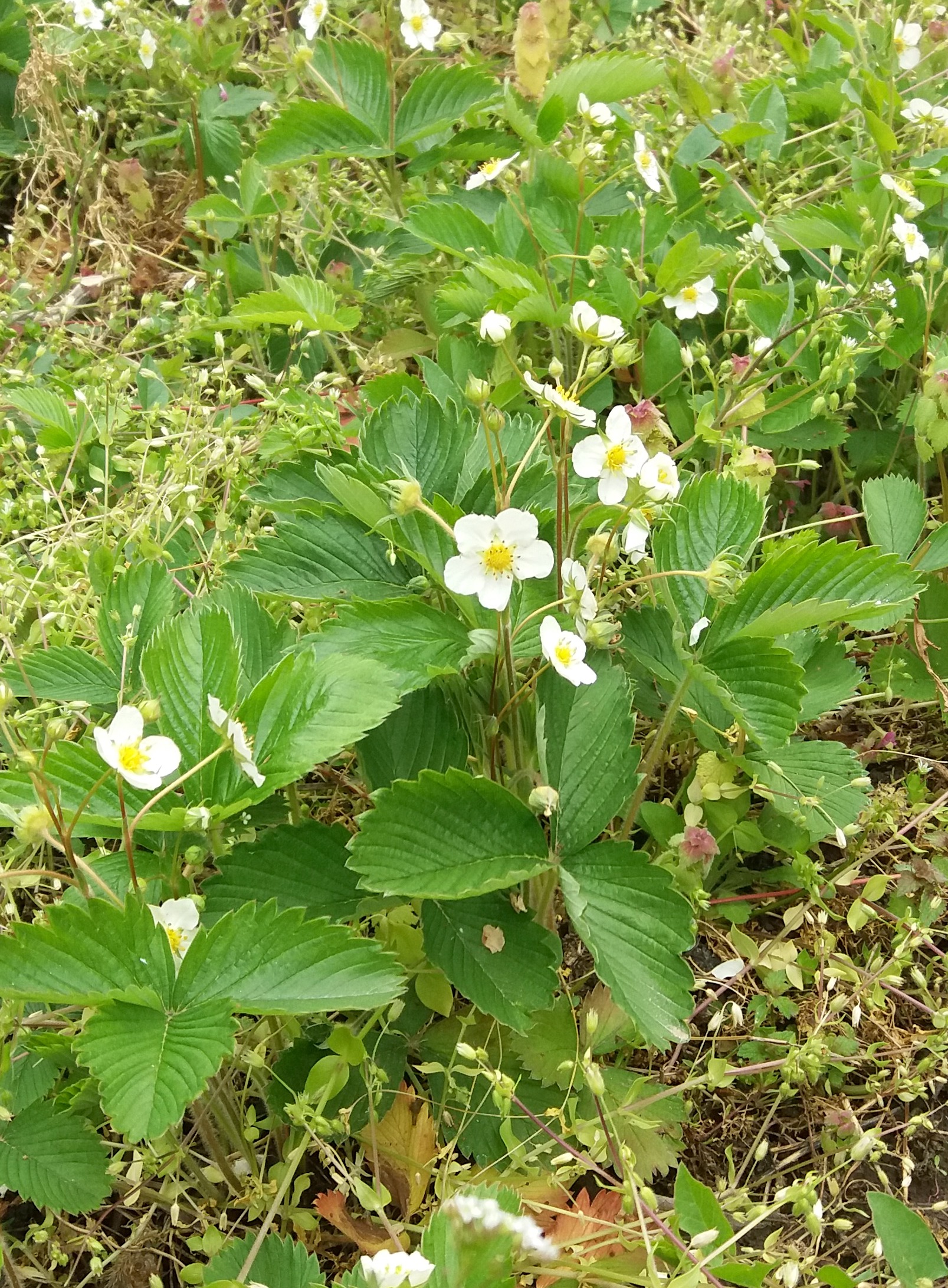
OneSeed Image
Description
The strawberry is a widely grown hybrid species of the genus Fragaria, collectively known as the strawberries, which are cultivated worldwide for their fruit. The fruit is widely appreciated for its characteristic aroma, bright red color, juicy texture, and sweetness. It is consumed in large quantities, either fresh or in such prepared foods as preserves, fruit juice, pies, ice creams, milkshakes, and chocolates. Artificial strawberry flavorings and aromas are also widely used in many products like lip gloss, candy, hand sanitizers, perfume, and many others.
Growing Details
Strawberries are easy to grow and don’t require much space. They can be grown in the ground or in containers, and even in hanging baskets. Strawberry plants usually live for two to three years, but they can produce fruit for much longer. Strawberries are a good companion plant, growing well with bush beans, spinach, borage, lettuce and pyrethrum. Easily propagated with stolons or rhizomes.
Edible Parts
Leaves
Fruit
Flowers
Tags
Bee Friendly
Visual Appeal
Easy Propagating
Range (Based on GBIF Data)
The map shows known occurrence points of <strong>Fragaria × ananassa</strong> recorded in scientific biodiversity databases.
Source: <a href="https://www.gbif.org" target="_blank">GBIF.org</a> — Global Biodiversity Information Facility
Location & Timing
native geo location: Europe, Americas
applicable geo region: Worldwide
language used: english
Flowering:
beginning
of March for 90 days
Harvest:
beginning
of Jun for 30 days
Seed Start:
beginning
of March
Indoor Start:
Transplant:
Uses & Benefits
Edible Rating:
(5/5)
edible uses: The fruit is rich in vitamin C, with an average of 8mg per 100g of fruit. Strawberry juice is a popular beverage, and the fruit is also used in ice cream, jams, syrups, and confections. The fruit is highly perishable and is only available fresh from late spring to early summer in temperate regions, but can be obtained year-round in subtropical and tropical areas. In 2016, world production of strawberries was 9.2 million tonnes, led by China with 41% of the total.
Medicinal Rating:
(1/5)
medicinal uses:
health concerns: strawberry allergies, Strawberry Pemphigus, Strawberry nevus
other uses:
Scientific Literature
Loading scientific articles about <strong>Fragaria × ananassa</strong>...
Botanical data
specie: Fragaria × ananassa
common names: jagoda
family: Rosaceae
sub family: Rosoideae
tribe: Roseae
sub tribe: Fragariinae
genus: Fragaria
Growing Conditions
area needed: 0.2 m
spacing: 0.1 m
growing difficulty: Low
Deciduous / Evergreen: Deciduous
Seed Temp (Opt/Min/Max): 20°C / 0°C / 30°C
Plant Temp (Opt/Min/Max): 20°C / 0°C / 30°C
water demands: High
humidity: Medium
light demands: Medium
root type: Shallow
frost tender: Low
hardness:
█
█
█
█
█
▁
▁
▁
▁
▁
(5/10)
first harvest: 1 years
life span: None years
succession:
growth rate: Fast
max height: 0.3 m
max width: 0.3 m
soil preference:
pH preference:
flower type:
growth details: Strawberries are easy to grow and don’t require much space. They can be grown in the ground or in containers, and even in hanging baskets. Strawberry plants usually live for two to three years, but they can produce fruit for much longer. Strawberries are a good companion plant, growing well with bush beans, spinach, borage, lettuce and pyrethrum. Easily propagated with stolons or rhizomes.
Potential Disturbances: Strawberries can be affected by ecological pressures such as strawberry root weevil, spider mites, aphids, crown moth, tortrix, and gray mold.
Permanent Link
Scan this QR code for a permanent link to this plant:
 Download QR Code

Loading comments...